Breast

Breast Lift

(Mastopexy)

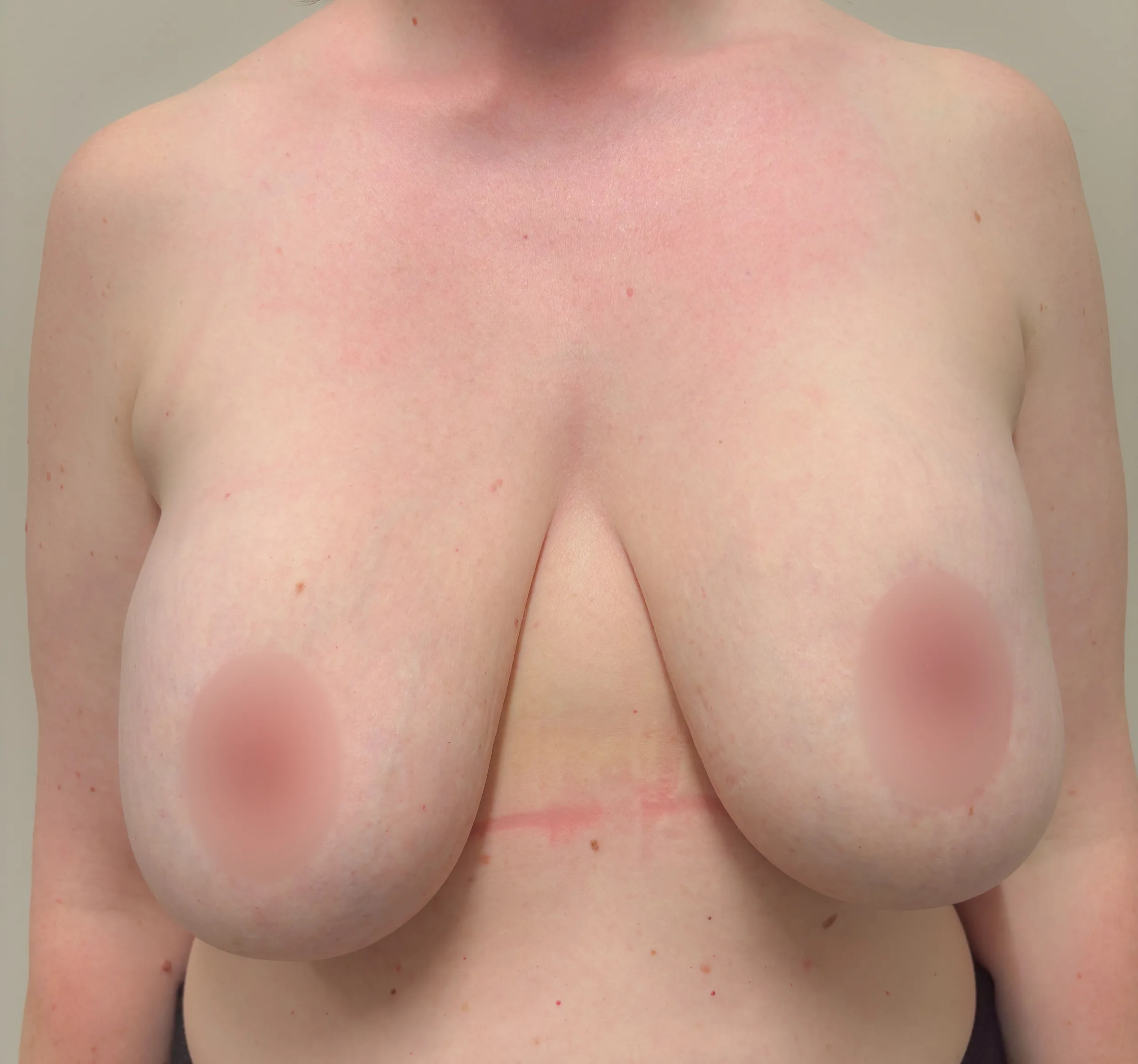
A breast lift, also known as mastopexy, is a surgical procedure designed to restore a firmer, more youthful breast position while enhancing natural shape and symmetry. Over time, pregnancy, breastfeeding, weight fluctuations and the gradual loss of skin elasticity can cause the breasts to descend, lose firmness and appear deflated. A breast lift may be suitable for women who are happy with their breast volume but wish to restore support, elevation and a balanced, harmonious silhouette that feels natural and proportionate to their body.

A breast lift is a surgical procedure that lifts and reshapes sagging breasts by removing excess skin, tightening the breast tissue and repositioning the nipple and areola to a more youthful height on the chest. Breast lift surgery is designed to restore firmness and improve breast shape without necessarily increasing overall size.

For women who have lost upper fullness after pregnancy, breastfeeding or weight loss, an auto-augmentation breast lift can be performed. This technique enhances upper-pole fullness without implants by using your own tissue. The lower breast tissue — and in selected cases tissue from the outer chest adjacent to the breast — is carefully reshaped and repositioned higher on the chest to improve projection and restore volume in the upper breast. This allows for a natural breast lift without implants while maintaining a soft, balanced contour.

Breast lift incisions are tailored to your anatomy and degree of breast ptosis (descent). Most mastopexy procedures involve a vertical scar from the areola to the breast crease, sometimes with a short horizontal scar hidden within the natural fold.

During consultation, breast volume, skin quality and aesthetic goals are assessed to determine whether a breast lift alone, auto-augmentation mastopexy, or combined breast augmentation and lift is most appropriate — creating natural-looking, proportionate and long-lasting results.

Procedure duration

2–2.5 hours


Anaesthesia

General (Day case or overnight stay)


Pain/discomfort

Mild to moderate for 1–2 weeks


Wound healing

Approximately 2–3 weeks


Support garments

Surgical bra for 3 months


Return to work

From 2 weeks


Sports & exercise

Gradually after 8 weeks


Final results

3–6 months – as swelling resolves and breasts settle


Scar maturation

6–12 months – scars soften and fade gradually

Before

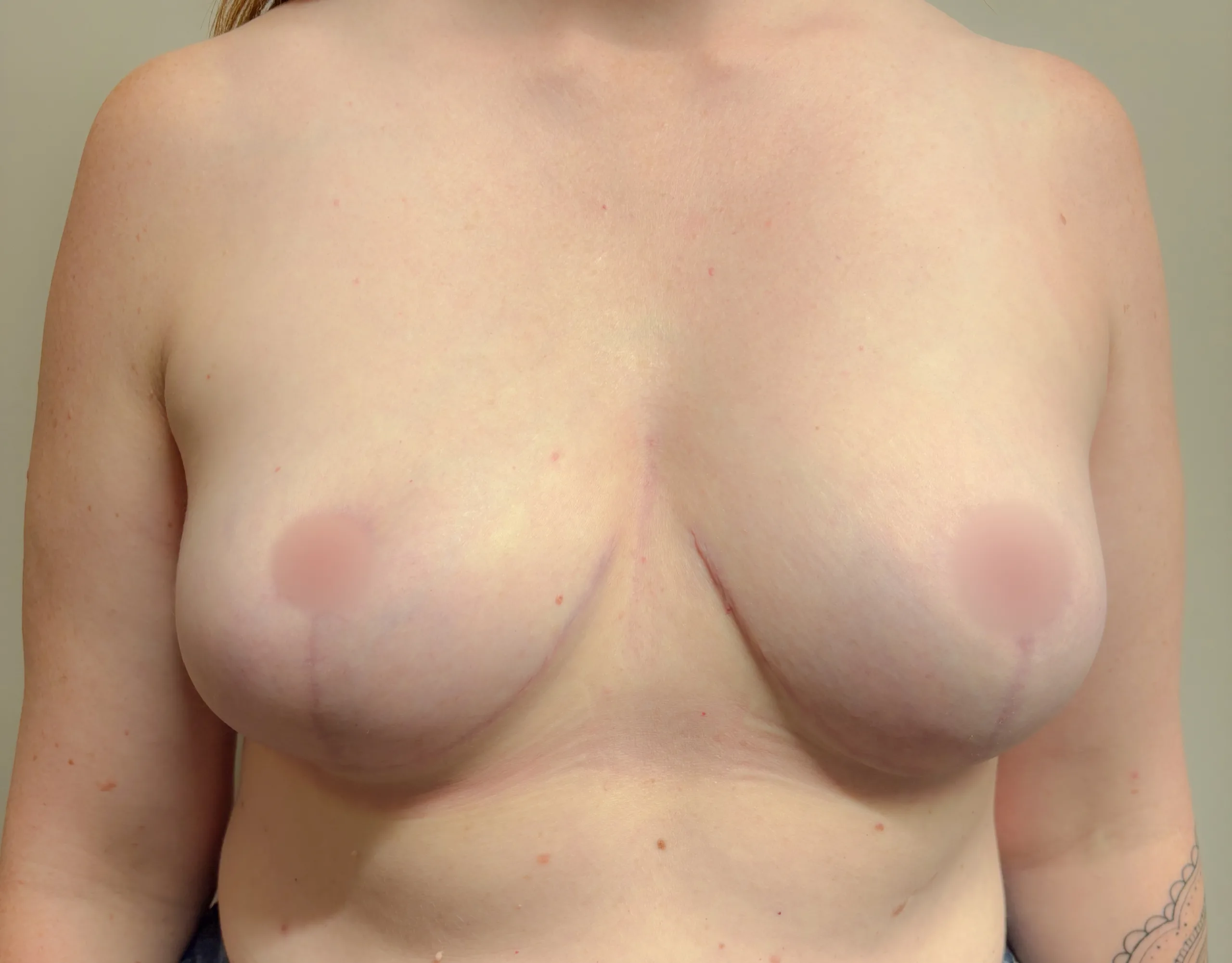
After

Final Results

Over the following 3–6 months, your breast shape will continue to refine as swelling subsides and the tissues settle gracefully into their new position. The result is a naturally uplifted contour that feels lighter, balanced, and beautifully proportionate to your frame. Scars typically fade and soften within 6–12 months, blending gently with the surrounding skin.

A breast lift restores more than shape and firmness — it renews confidence, balance, and a quiet sense of self. This procedure is not about reversing time, but about restoring harmony and celebrating your natural form. Each treatment is carefully tailored to achieve results that feel effortless, authentic, and entirely your own.


  • 1. Who It Is For?

    A breast lift may be suitable for women who:
    • Experience sagging or loss of firmness after pregnancy, breastfeeding, or weight change.
    • Wish to restore youthful breast position and contour without increasing volume.
    • Have nipples that point downward or sit below the breast crease.
    • Desire better symmetry or improved breast shape.
    • Are in good health and have realistic expectations.

  • 2. What are the advantages of a breast lift?

    • Restores a naturally elevated, youthful breast shape.
    • Refines and reshapes existing tissue without implants.
    • Repositions the nipple and areola for improved symmetry and proportion.
    • Can be combined with fat transfer or implants for added volume if desired.
    • Provides a long-lasting, elegant result that enhances balance and confidence.

  • 3. What Is the expected recovery?

    You may experience mild swelling, tightness, or bruising for the first two weeks. Most patients are comfortable resuming light activities after a few days and returning to work after about 2 weeks.

    supportive surgical bra is worn day and night for 3 months to support healing and shape. Exercise and lifting should be avoided for 8 weeks. Scars are discreetly positioned and fade gradually over the coming months.

  • 4. What are the risks and considerations?

    All surgery carries potential risks, which will be discussed in full during consultation. In experienced hands, complications are uncommon.

    Common risks:
    • Swelling, bruising, or minor asymmetry.
    • Temporary changes in nipple sensation.
    • Scarring — typically fine and well-concealed within natural breast lines.
    • Infection, delayed wound healing, or bleeding (rare).

    Rarer risks:
    • Altered breastfeeding ability or nipple sensitivity (uncommon).
    • Small residual asymmetry between breasts.
    • Partial loss of nipple or areolar tissue (very rare, primarily in smokers).

    Because no implants are used, there are no implant-related risks such as BIA-ALCLBIA-SCC, or BII.

  • 5. What will my scars look like after surgery?

    Your scar pattern depends on the procedure and the amount of lifting or reshaping required:

    • Periareolar scar (around the nipple)
      This sits around the edge of the areola, where the lighter and darker skin meet. It is usually a fine circular scar that blends well with the natural colour change in the skin.
    • Vertical or “lollipop” scar
      This includes the periareolar scar plus a straight line running down from the areola to the breast fold. It is placed centrally and is usually narrow once healed.
    • Anchor or “inverted-T” scar
      This includes the periareolar and vertical scars, with an additional scar hidden in the breast fold. It is used when more reshaping or skin removal is needed.

    Immediately after surgery, all scars appear pink or slightly raised. Swelling and mild puckering around the incision are normal in the early stages.

  • 6. How will my scars settle over time?

    Scars generally follow a predictable healing pattern:

    • First 6 weeks:
      Scars are pink and slightly firm. The periareolar scar often settles quickest because the skin here is naturally textured, helping it blend. The vertical and anchor scars may feel firmer as the tissues heal.
    • 3–6 months:
      Scars gradually soften and flatten. Pinkness begins to fade. The vertical and fold scars become much less noticeable, and the anchor fold scar often hides well within the natural crease.
    • 6–12 months:
      Scars continue to fade and mature, usually becoming pale, fine lines. With good scar care—such as silicone therapy, moisturising, sun protection, and occasional massage—most patients find their scars settle very well.
  • 7. Am I at risk of hypertrophic or keloid scars?

    A small number of people are more prone to forming hypertrophic or keloid scars due to genetic factors. These scars are thicker or more raised than average. This tendency is more common in certain skin types and individuals with a personal or family history of problem scarring.

    If you know you have this predisposition, please let me know during your consultation. We can plan proactive measures—such as early silicone therapy, steroid injections, pressure dressings, or closer follow-up—to help minimise this risk and support the best possible scar outcome.

  • 8. When can I return to work or training?
    • For desk-based work, most patients are able to return after 1–2 weeks, provided they are comfortable and able to move freely.
    • For more physically demanding roles—especially those involving lifting, pushing or repetitive upper-body movements—the typical return timeframe is 2–4 weeks, depending on the job demands.

    If you like, I can draft a version of this section specifically for athletes (by sport type) that you can include in your website.

  • 9. Will I need lymphatic massage or special aftercare?

    Most patients recover well with supportive bras, simple pain relief, and gradual return to movement. If swelling or tightness persists, targeted massage or physiotherapy may be recommended on an individual basis.

  • 10. When can I drive or fly?

    You can drive once you feel able to comfortably and safely control the vehicle in all directions and perform an emergency stop. For most patients, this is around 2 weeks after surgery.

    Flying is generally avoided for the first 4 weeks because of the effects of general anaesthetic, changes in cabin pressure, and the increased risk of swelling or discomfort during recovery. It’s best to discuss any planned travel with me during your consultation so we can tailor advice to your procedure and healing.

  • 11. When can I exercise again?
    • Gentle walking: immediately
    • Light cardio: from 3 weeks
    • Lower-body training: from 4 weeks if it doesn’t strain your chest
    • Upper-body workouts: usually after 8 weeks
    • High-impact or weight training: after 8–12 weeks, depending on the placement and your individual healing.

    Your aftercare plan will be tailored to your activity level and implant type.

Doctify - Great Patient Experience

Get in Touch

Contact us